Mission
The company's mission is to provide cutting-edge technology solutions that help businesses thrive in the digital age. By focusing on innovation, client satisfaction, and technological excellence, Cloud Technology Computing Corporation aims to be a leader in the cloud computing and software development space.
Conclusion
Pay-as-You-Go Model: Azure follows a pay-as-you-go model where you only pay for the resources you use. This is flexible but can become costly for high-traffic or resource-intensive sites.
Pricing Tiers: Azure offers multiple pricing tiers based on resource consumption, so it is suitable for enterprises with larger budgets or projects that demand dynamic resource scaling.
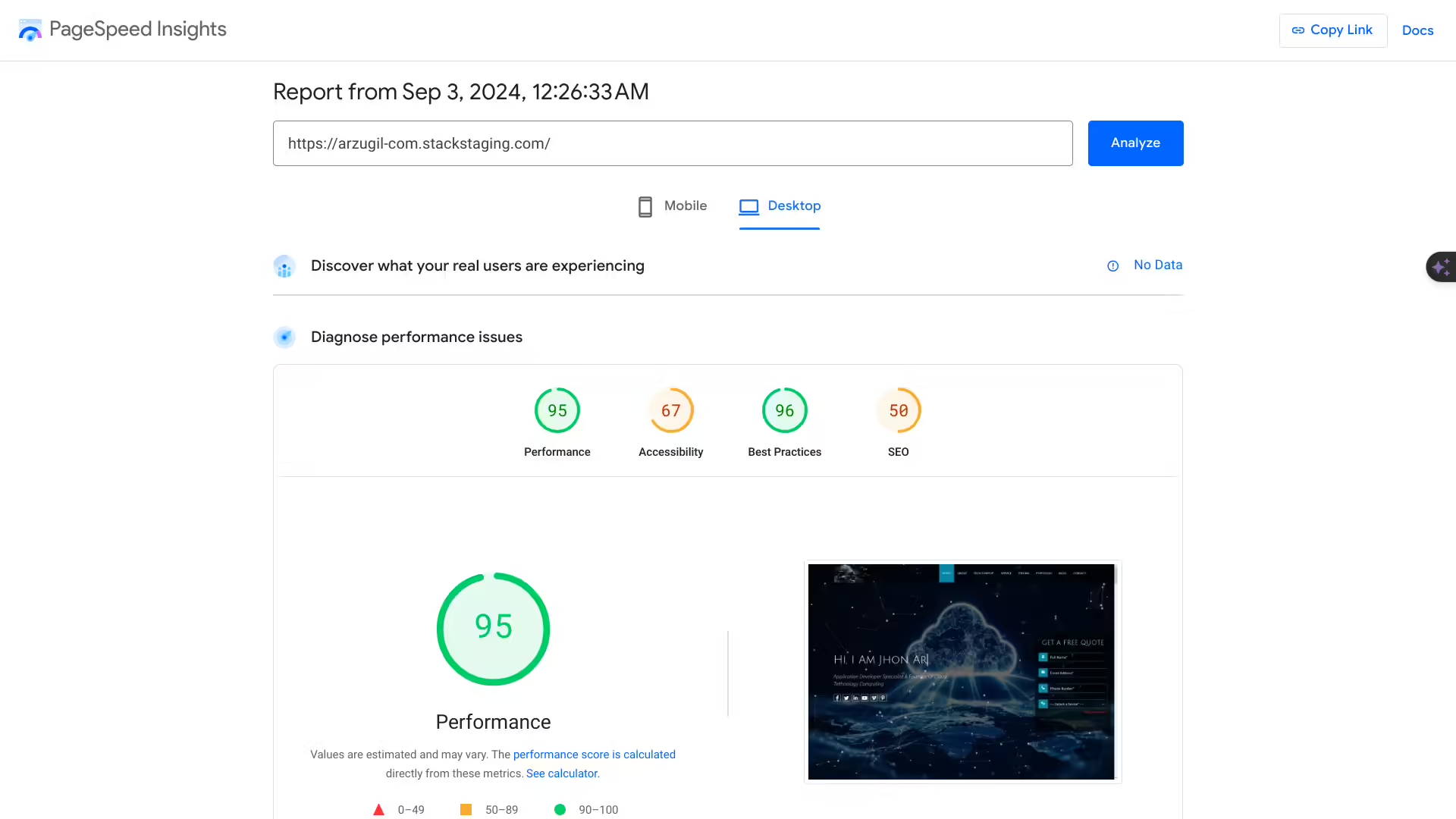
Hostinger:
Affordable Plans: Hostinger is known for its affordability, with shared hosting starting as low as a few dollars per month.
Cloud Hosting Plans: Their cloud hosting plans offer better performance at a moderate price, making it a good balance between affordability and resource allocation.
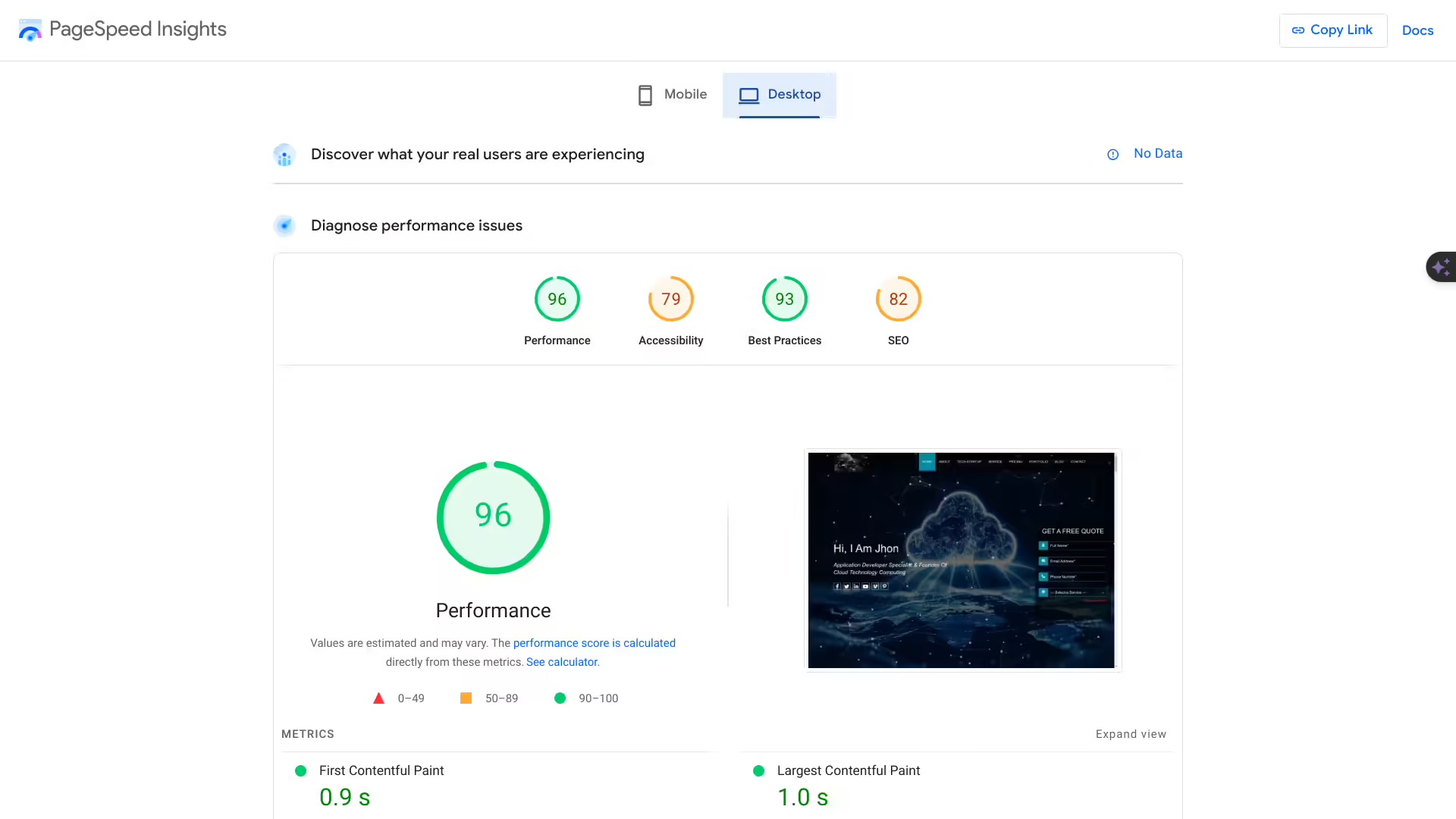
Eco Web Hosting:
Moderately Priced: Eco Web Hosting offers reasonable pricing, typically between Hostinger and Azure. The focus on green hosting may make it more appealing to eco-conscious consumers.
Limited Flexibility: As it primarily offers shared hosting, it may not be as cost-effective for larger websites that need scalability.
Features
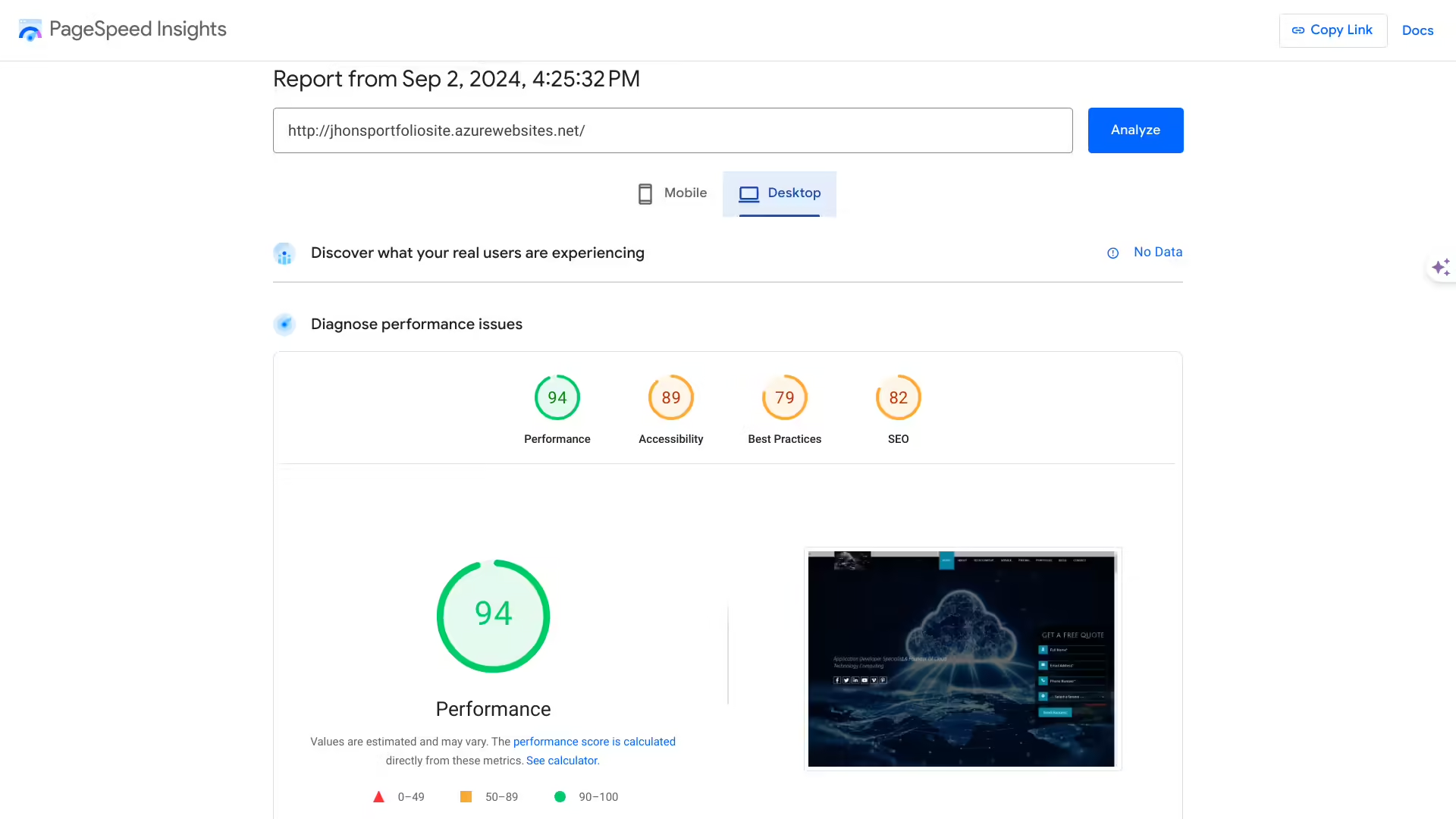
Azure Hosting (Desktop):
Cloud services Integration: Azure offers integration with a wide range of cloud services (Azure SQL, AI services, Kubernetes, etc.), providing flexibility and power for custom solutions.
Advanced Networking and Security: Provides advanced firewall, VPN, and security features that are designed for enterprise use.
Virtual Machines: Allows businesses to create and manage virtual machines (VMs) for different operating systems, such as Linux or Windows.
Hostinger:
Easy-to-Use Control Panel: Offers a custom-built hPanel, which is user-friendly and allows easy management of domains, emails, and hosting settings.
Domain and SSL Freebies: Hostinger provides free domains and SSL certificates with most plans.
CMS-Friendly: Integrates well with WordPress, Joomla, and other CMS platforms.
Eco Web Hosting:
Green Credentials: One of the key selling points is its commitment to using renewable energy for powering servers. This makes it an attractive option for environmentally-conscious businesses.
Basic Shared Hosting Features: Offers features like free domain registration, SSL certificates, and daily backups. However, it lacks more advanced features like cloud integration or enterprise-level security.
Use Case Scenarios
Azure Hosting (Desktop):
Best For: Enterprises or businesses requiring high compute power, scalability, and global reach with advanced cloud features. It is ideal for hosting applications that need real-time resource allocation or for businesses running cloud-native apps.
Hostinger:
Best For: Small to medium websites or businesses that need affordable hosting with decent performance. Good for startups, blogs, and small online shops.
Eco Web Hosting:
Best For: Businesses or individuals looking for eco-friendly hosting solutions. It's a good fit for smaller websites that want to minimize their environmental footprint but don't need enterprise-grade performance or scalability.
Conclusion
Azure Hosting Desktop is the most powerful and scalable, ideal for resource-intensive applications and enterprises.
Hostinger offers a budget-friendly hosting option, suitable for small to medium websites with moderate traffic.
Eco Web Hosting is the choice for eco-conscious users but is more limited in scalability and advanced features.
Your choice between these options depends on your business needs, budget, and focus on environmental impact versus scalability and performance.
 For Client Support:


 Case Study Details