Mobile product planning
Define the audience, core tasks, required device features, success metrics, and the smallest valuable release.
 For Client Support:
Your website can become a stronger mobile experience with app-style navigation, fast loading, clear service paths, and app store readiness. We help businesses build mobile apps that support existing websites and customer journeys.
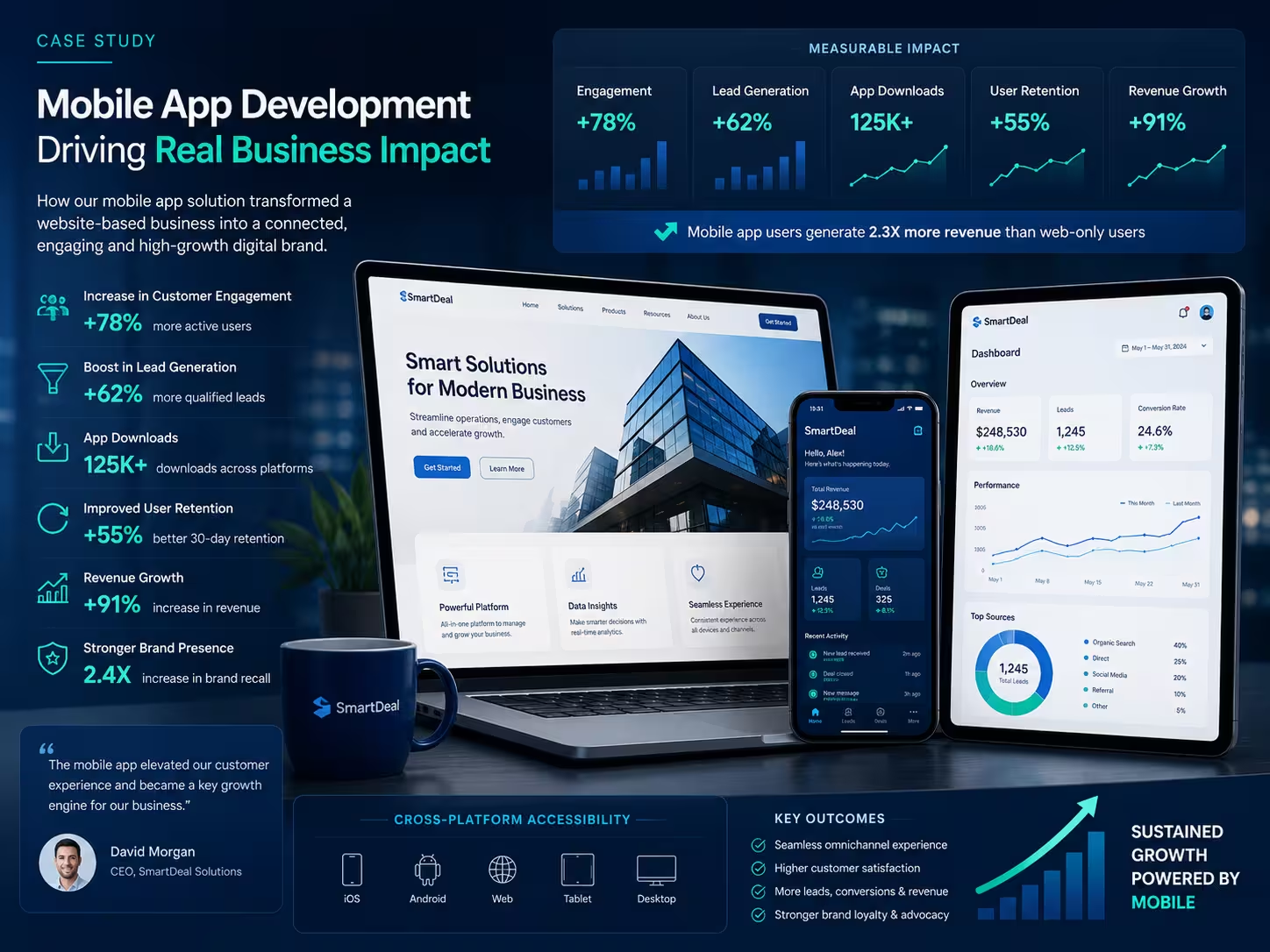
Mobile App Development for Business Websites is designed for service businesses and organizations that already have a useful website and want a stronger iOS and Android customer experience. The work addresses mobile visitors struggle with navigation, forms, account access, performance, or repeated tasks that would work better in an app-style interface. Instead of starting with a product list, we begin with business priorities, current dependencies, security requirements, budget, and the people who will operate the solution after launch.
A complete engagement can cover mobile strategy, feature prioritization, UX design, app architecture, website integration, authentication, notifications, testing, store assets, and release support. Depending on the requirements, the solution may use native, hybrid, progressive web app, or WebView approaches selected according to device features, budget, maintenance, and store requirements. The objective is a focused mobile experience that makes key customer actions faster and creates a maintainable path for future features. Planning also accounts for thin app functionality, rejected submissions, broken external links, poor mobile performance, insecure sessions, and a product that duplicates the website without adding value, because a successful implementation must remain reliable and understandable after the initial project is complete.
Mobile App Development for Business Websites is built for business owners who need practical help, not confusing technical language. This page explains what the service does, why it matters, what outcomes to expect, and how Cloud Technology Computing can support the work from planning through launch and ongoing improvement.
The exact scope is tailored to the current environment, business priorities, security requirements, and internal resources. A typical engagement may include the following areas.
Define the audience, core tasks, required device features, success metrics, and the smallest valuable release.
Create mobile navigation, screen flows, forms, error states, account journeys, and conversion paths.
Connect existing content, forms, databases, authentication, and business services through secure interfaces.
Validate layouts, links, permissions, accessibility, performance, and behavior across representative devices.
Prepare app descriptions, privacy details, screenshots, icons, support links, and review notes.
Monitor crashes, user feedback, conversions, content changes, and operating-system updates.
Review your website functionality and app store requirements
Design mobile navigation, conversion paths, and app screens
Build, test, and connect the app experience
Prepare listing assets and support review submission
Before implementation, Cloud Technology Computing documents the current environment, business-critical workflows, data locations, users, vendors, performance expectations, and recovery needs. This discovery phase helps separate urgent risk reduction from improvements that can be delivered later, creating a roadmap that fits the company rather than forcing the company into a generic architecture.
During delivery, each change should have an owner, test method, acceptance criteria, backup or rollback option, and documented next step. After launch, we review security, performance, reliability, usage, cost, and support responsibilities. That operating discipline turns mobile app development for business websites from a one-time technical purchase into a measurable business capability.
Use this page as a buying guide when you are comparing technology options, planning a project, or deciding which service your business should prioritize first.
Deliverables are selected according to project scope. They are designed to make decisions, implementation, security, and ongoing ownership easier to understand.
Start with a focused consultation to review your goals, current systems, risks, budget, and the next practical step for implementation.
Often yes, but it needs enough value, navigation, functionality, and mobile polish to meet user expectations and app store guidelines.
It depends on your goals. WebView can be faster for website-based businesses, while native is better for deeper device features.
Yes. We can help prepare assets, descriptions, screenshots, and technical updates for review.
Cloud Technology Computing combines cloud architecture, application development, database work, security, analytics, automation, and technical support. That cross-functional perspective matters because mobile app development for business websites usually touches more than one system. Recommendations are explained in plain language and tied to business outcomes, implementation effort, risk, and ongoing ownership.
The goal is not to add the most technology. The goal is to create a secure, maintainable solution that the business can understand, measure, and improve. Engagements can begin with an assessment or focused project and expand into implementation, optimization, documentation, and managed support when needed.
Learn more about Cloud Technology Computing or review our case studies to see how cloud, software, SEO, automation, and managed support work together.
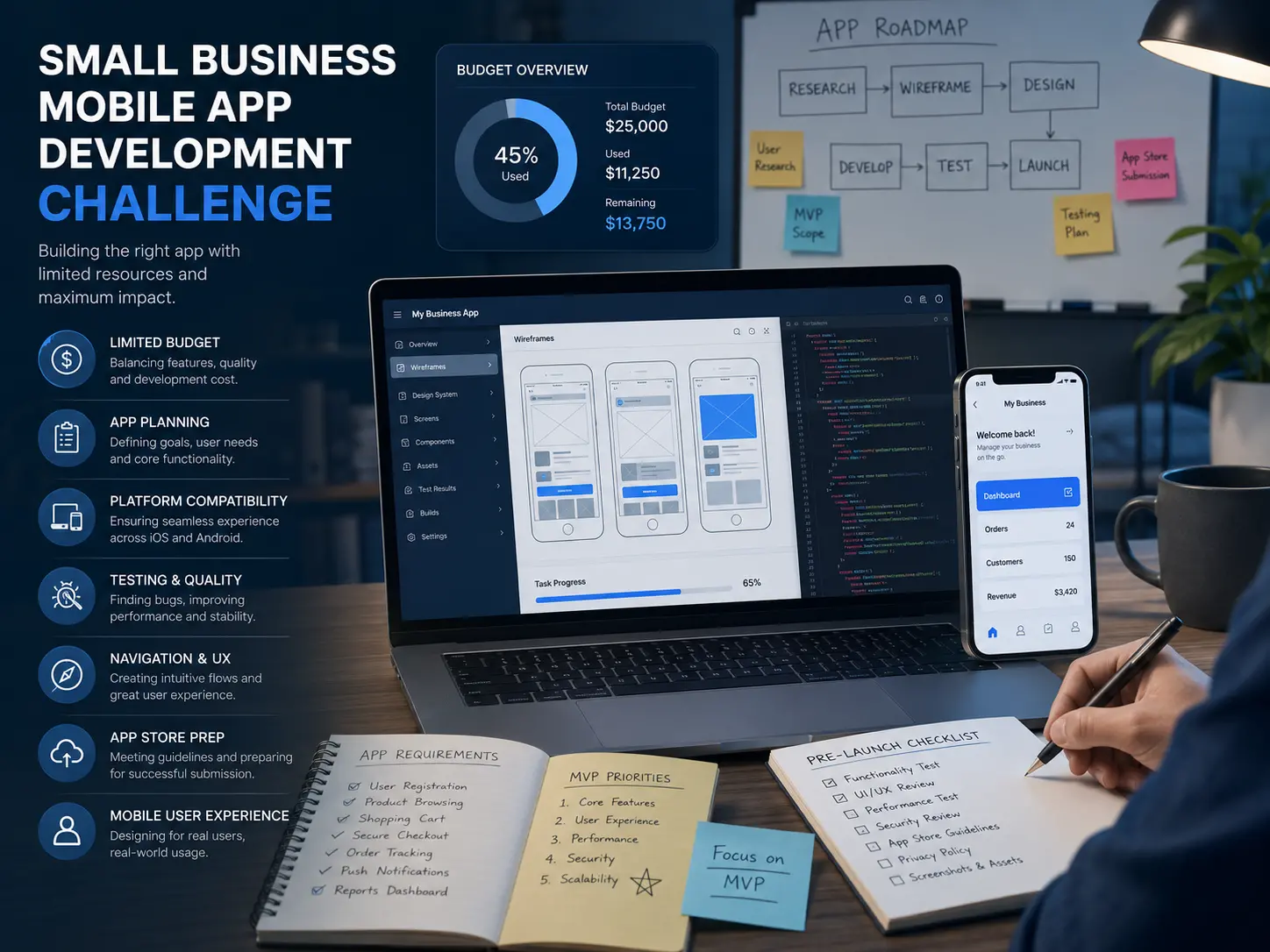
Launch a WebView app for iOS and Android with secure navigation, fast mobile performance, app-like UX, testing, and store review preparation. Start today.
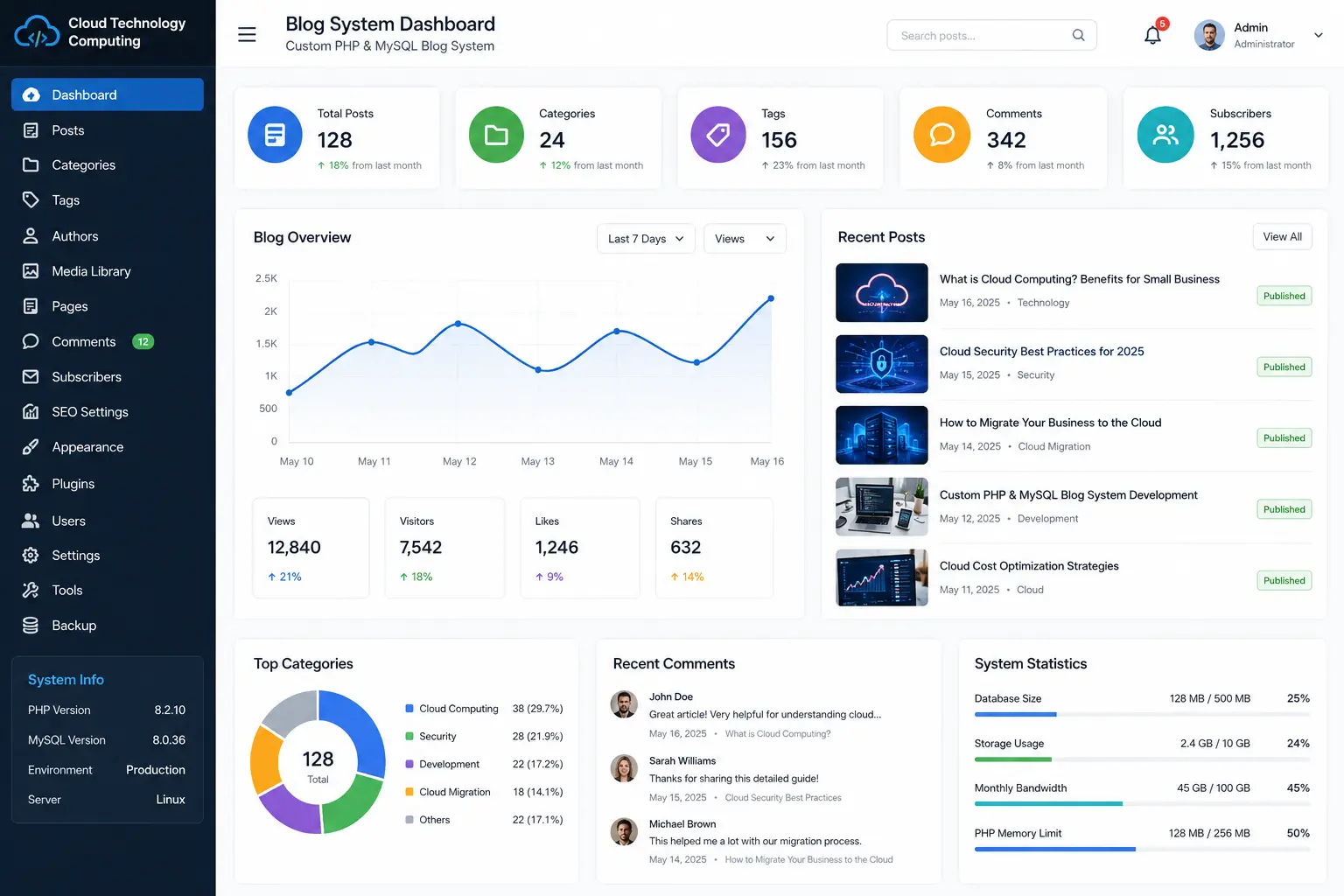
Build custom PHP and MySQL website development with dynamic pages, blogs, forms, admin tools, SEO structure, and scalable content. Start your build today.
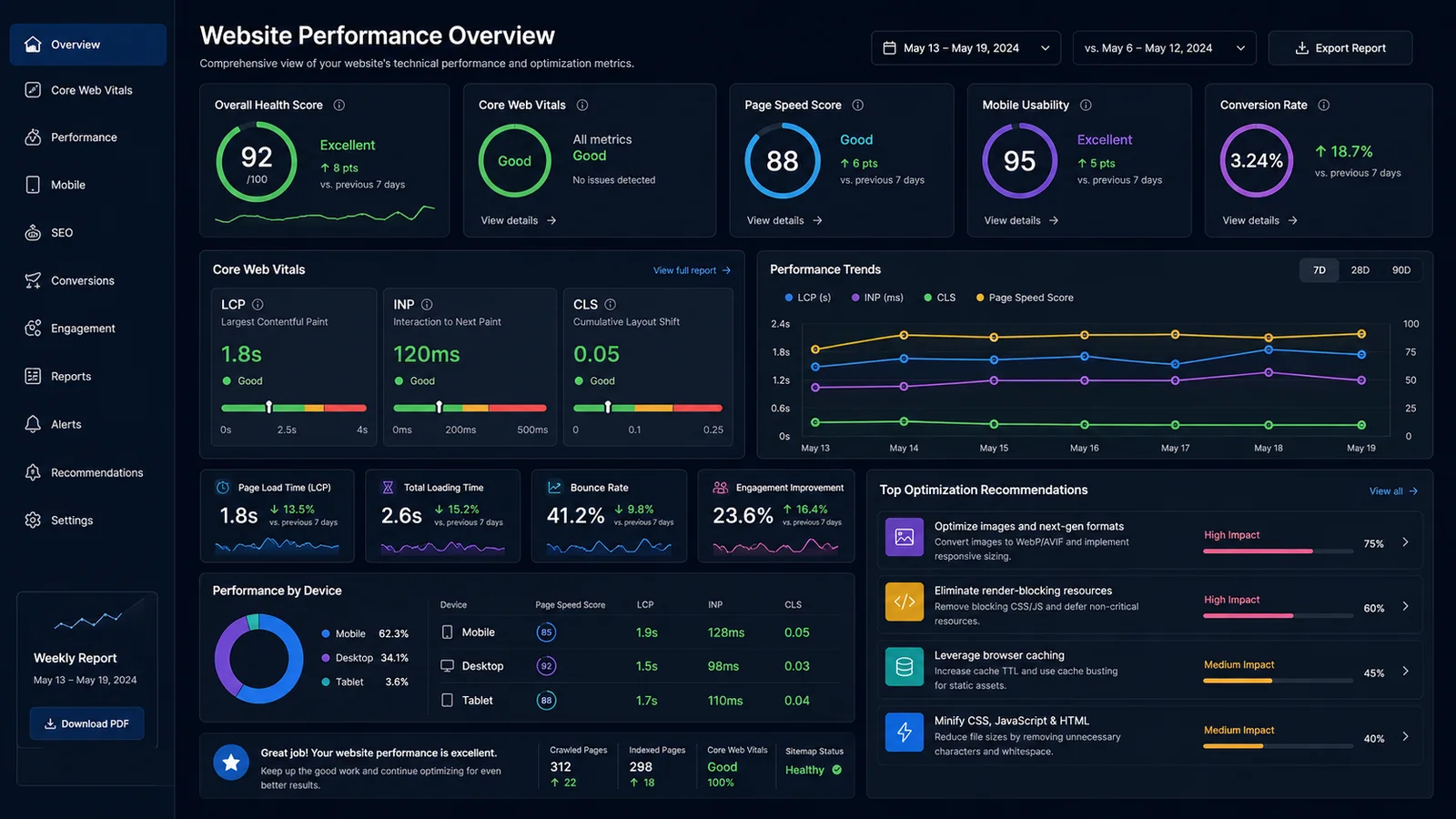
Improve business website SEO with technical fixes, keyword pages, metadata, internal links, schema, speed, and conversion CTAs. Request an SEO audit today.
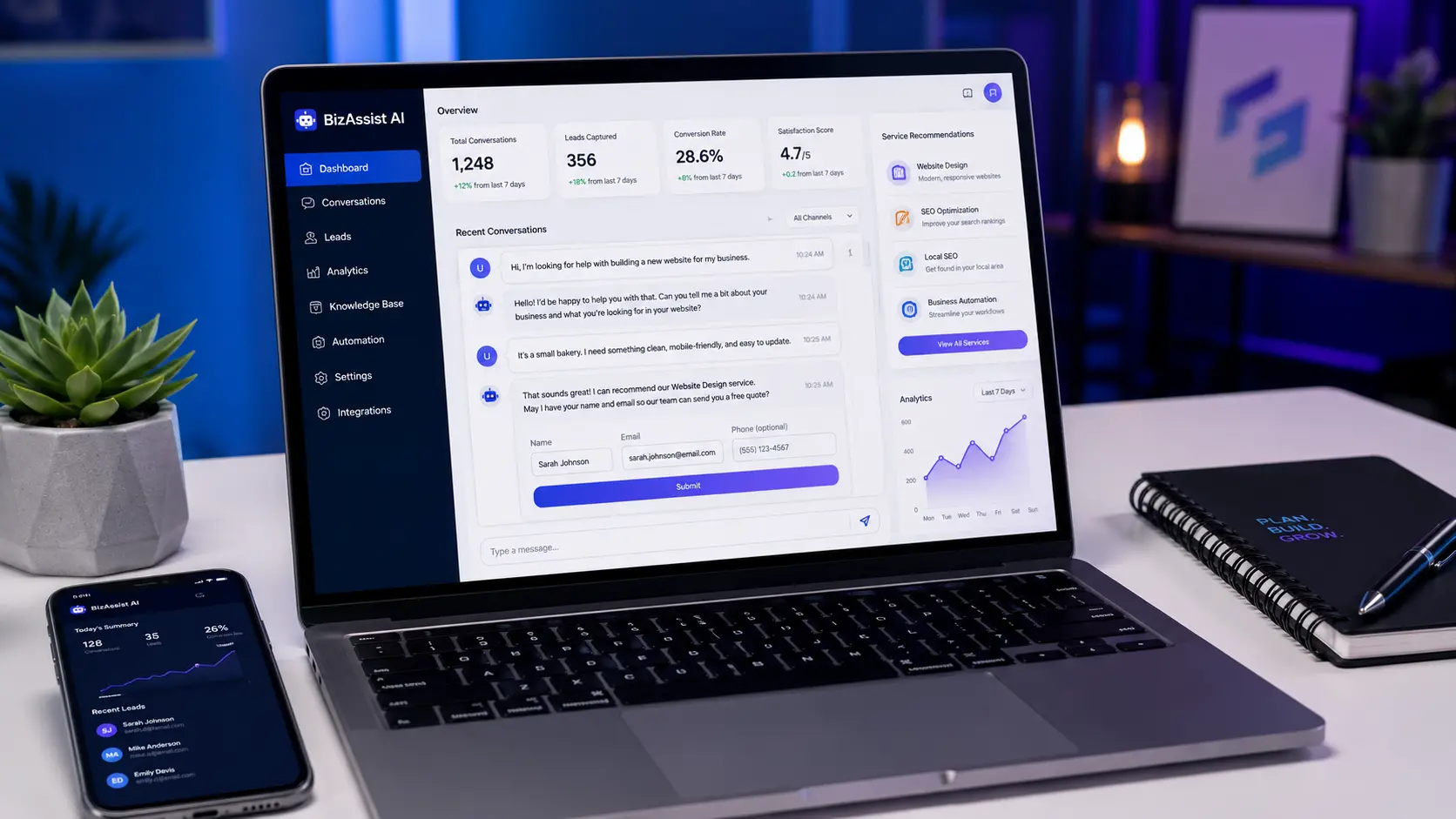
Add AI chatbot development to your business website to answer visitor questions, capture leads, qualify requests, and guide users to services. Book a demo.

Choose cloud-based computing services for hosting, apps, storage, backup, security, and workflows built to scale with your company and reduce IT friction.
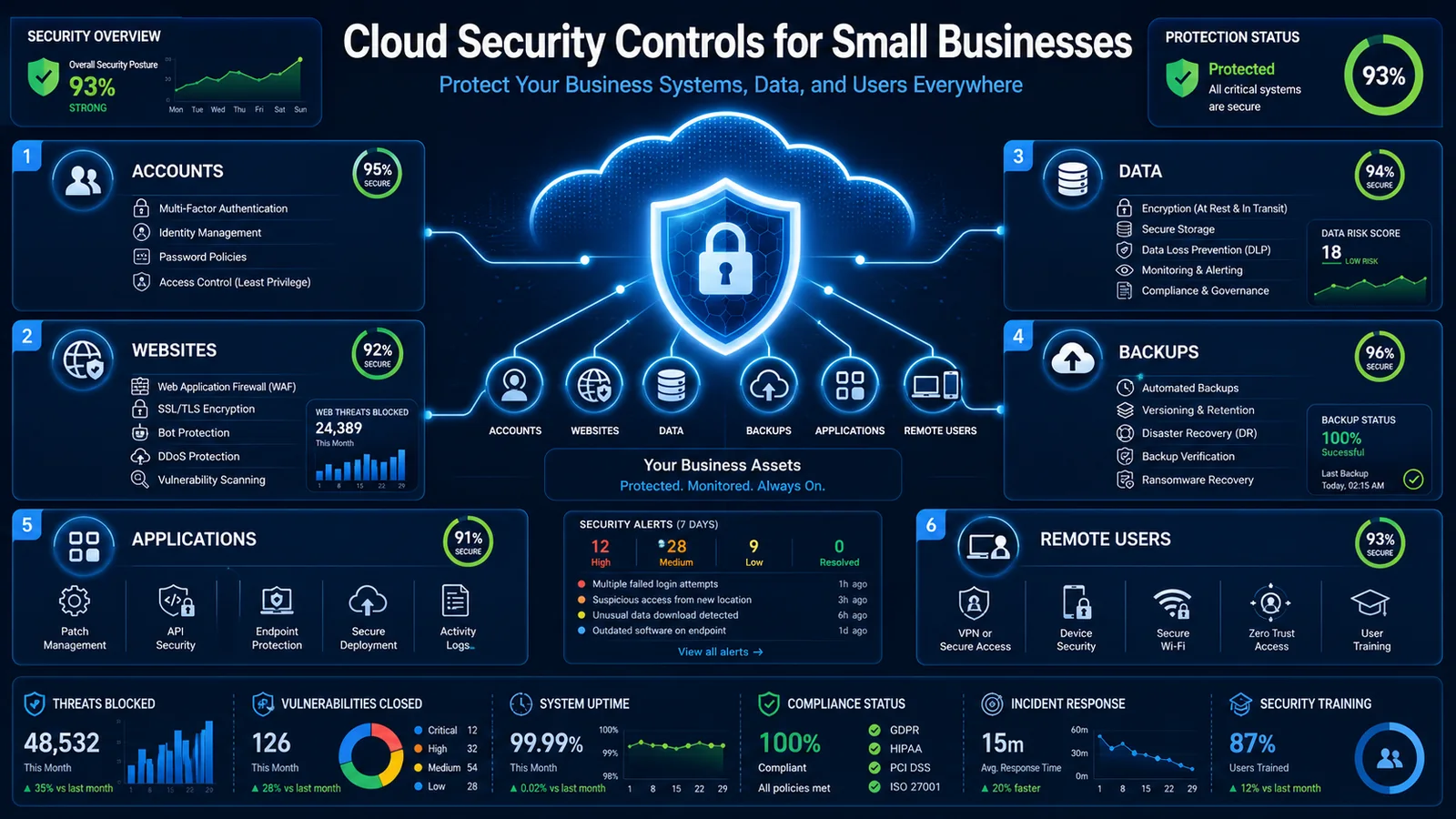
Protect cloud apps, servers, data, and users with cloud security services covering monitoring, access control, backups, compliance basics, and recovery.