Strategy and discovery
Assess business goals, users, current systems, risks, costs, and the best opportunities for cloud computing technology.
 For Client Support:
Cloud computing technology gives businesses secure, on-demand access to servers, storage, databases, applications, analytics, and automation without depending entirely on physical hardware. Cloud Technology Computing helps organizations select practical cloud services, migrate workloads, strengthen security, and manage costs as operations grow.

Cloud Computing Technology for Business helps organizations connect technology decisions to specific business outcomes. The work begins by understanding users, applications, data, current pain points, budget, risk, and growth plans. This prevents the project from becoming a collection of cloud products without a clear operating purpose.
A complete engagement can include discovery, architecture, migration, security, application integration, testing, monitoring, documentation, cost optimization, and ongoing support. Recommendations are designed to remain understandable and maintainable after launch, with clear ownership and measurable success criteria.
Cloud Computing Technology for Business is built for business owners who need practical help, not confusing technical language. This page explains what the service does, why it matters, what outcomes to expect, and how Cloud Technology Computing can support the work from planning through launch and ongoing improvement.
The exact scope is tailored to the current environment, business priorities, security requirements, and internal resources. A typical engagement may include the following areas.
Assess business goals, users, current systems, risks, costs, and the best opportunities for cloud computing technology.
Define platforms, integrations, security controls, data flows, support ownership, and measurable success criteria.
Build or move workloads through staged testing, backups, validation, and rollback planning.
Apply access controls, encryption guidance, monitoring, backups, recovery procedures, and operational documentation.
Measure reliability, speed, utilization, and recurring spend, then improve resources based on actual demand.
Document the environment and provide troubleshooting, updates, optimization, and future planning as needs change.
Assess current applications, infrastructure, data, users, and costs
Map workloads to public cloud, private cloud, SaaS, PaaS, IaaS, or hybrid options
Implement migration, security, backup, monitoring, and testing controls
Measure performance, reliability, adoption, and cloud spending after launch
Planning starts with an inventory of business-critical systems, data, users, integrations, vendors, service expectations, security requirements, and recovery needs. Work is then divided into phases so high-risk issues are addressed first while future improvements remain visible in the roadmap.
Each implementation step should include an owner, test method, acceptance criteria, backup or rollback option, documentation requirement, and post-launch measurement. This discipline reduces surprises and creates a stronger foundation for continuous improvement.
Use this page as a buying guide when you are comparing technology options, planning a project, or deciding which service your business should prioritize first.
Deliverables are selected according to project scope. They are designed to make decisions, implementation, security, and ongoing ownership easier to understand.
Start with a focused consultation to review your goals, current systems, risks, budget, and the next practical step for implementation.
Cloud computing technology delivers computing resources such as servers, storage, databases, networking, software, and analytics through internet-based platforms.
It can reduce hardware dependency, improve remote access, strengthen backups, support new applications, and let resources scale with demand.
The right choice depends on your applications, budget, security requirements, existing tools, technical skills, and long-term operating model.
Cloud Technology Computing combines cloud architecture, application development, databases, web and mobile engineering, analytics, automation, security awareness, and technical support. This cross-functional approach helps identify dependencies that are often missed when infrastructure, software, and business workflows are treated as separate projects.
Recommendations are explained in practical language and tied to cost, risk, performance, customer experience, and ongoing ownership. Projects can begin with a focused assessment and expand into implementation, optimization, documentation, and managed support as needed.
Learn more about Cloud Technology Computing or review our case studies to see how cloud, software, SEO, automation, and managed support work together.
Get cloud technology services for small businesses: cloud strategy, migration, hosting, security, automation, monitoring, and managed support. Start today.
Explore cloud technology solutions for migration, hosting, security, data, applications, automation, backups, and managed support. Build a scalable cloud plan.
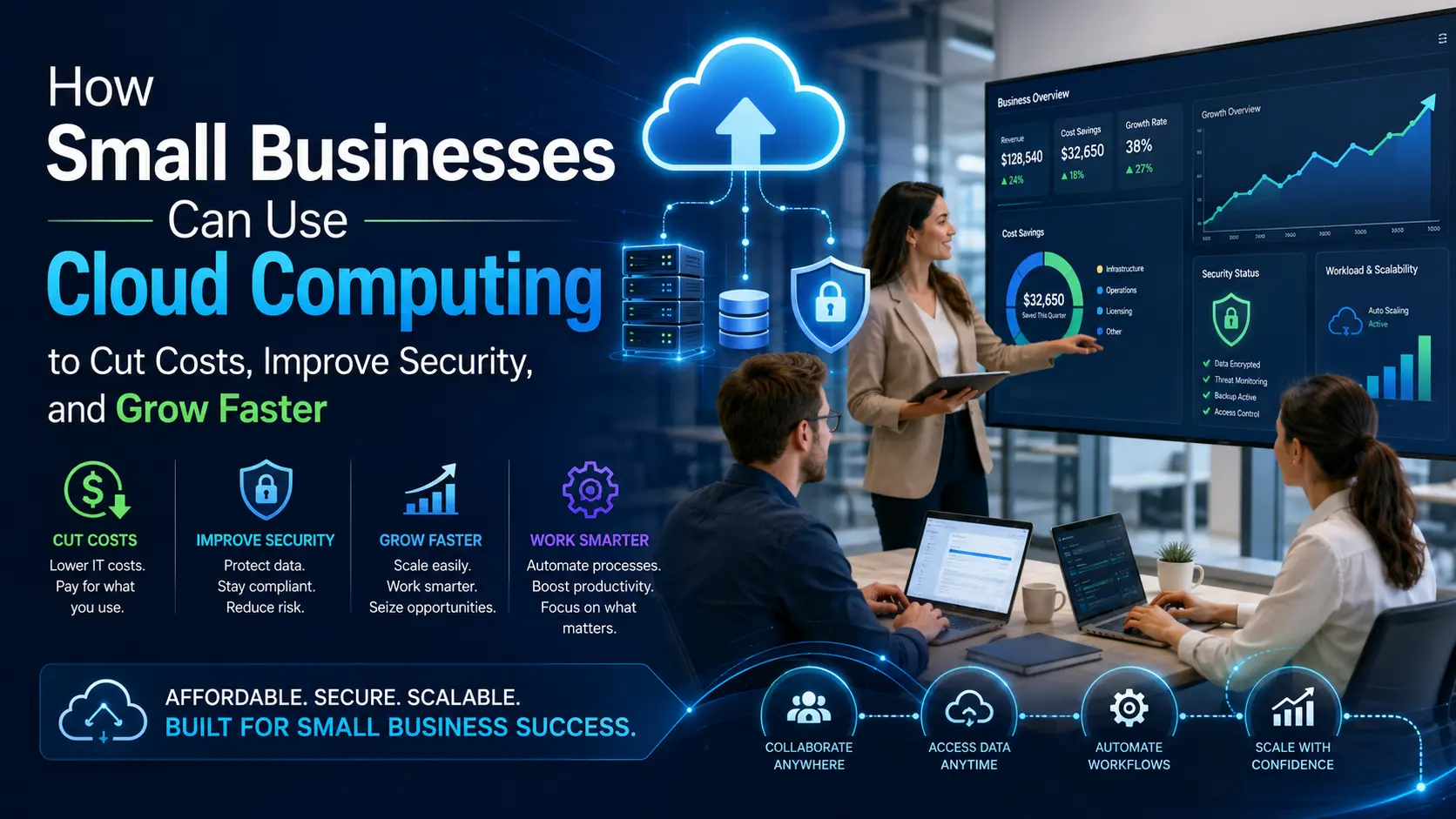
Modernize your small business with secure cloud computing, migration, hosting, backups, automation, and expert CTC support. Start your cloud roadmap today.

Design cloud infrastructure services for servers, storage, networks, databases, monitoring, backups, security, scalable business apps, and long-term growth.
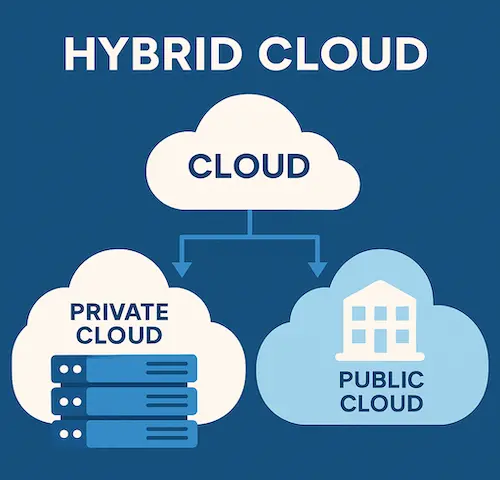
Build an enterprise hybrid cloud with public cloud, private systems, security controls, migration planning, monitoring, and managed support for growth.

Get managed cloud services for hosting, monitoring, updates, backups, cost optimization, security, ongoing technical support, uptime, growth, and peace of mind.