Server and workload assessment
Review traffic, runtime, operating system, storage, database, integration, uptime, and maintenance requirements.
 For Client Support:
Cloud server services give your business flexible server resources for websites, databases, applications, backups, APIs, and internal tools. We help plan, deploy, secure, monitor, and optimize cloud servers without making the process confusing.
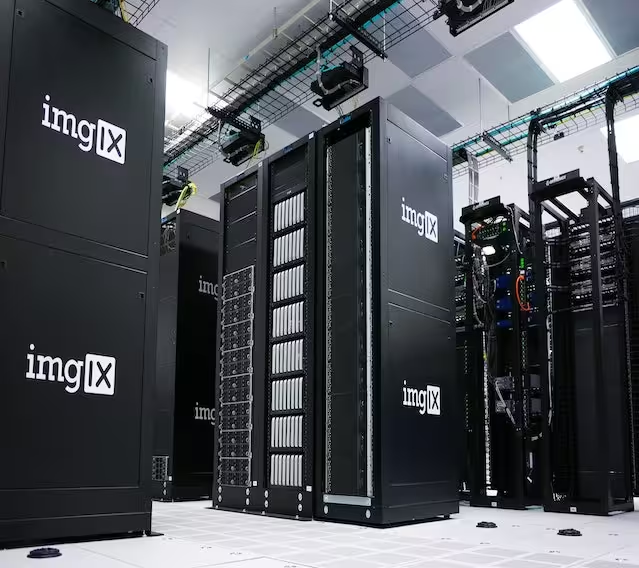
Cloud Server Services for Business is designed for businesses that need dependable cloud servers for websites, applications, APIs, databases, internal systems, or development environments. The work addresses server hosting becomes unstable or expensive when capacity, operating-system management, security, monitoring, backups, and application dependencies are not planned together. Instead of starting with a product list, we begin with business priorities, current dependencies, security requirements, budget, and the people who will operate the solution after launch.
A complete engagement can cover server selection, operating systems, networking, storage, databases, deployment, hardening, patching, monitoring, backup, scaling, recovery, and support. Depending on the requirements, the solution may use cloud virtual machines, managed servers, load balancers, block and object storage, databases, caching, DNS, certificates, monitoring, and backup. The objective is server capacity that is matched to workload demand and operated with clear security, recovery, performance, and ownership standards. Planning also accounts for exposed ports, outdated software, oversized instances, failed backups, disk exhaustion, certificate expiration, slow queries, and undocumented administrative access, because a successful implementation must remain reliable and understandable after the initial project is complete.
Cloud Server Services for Business is built for business owners who need practical help, not confusing technical language. This page explains what the service does, why it matters, what outcomes to expect, and how Cloud Technology Computing can support the work from planning through launch and ongoing improvement.
The exact scope is tailored to the current environment, business priorities, security requirements, and internal resources. A typical engagement may include the following areas.
Review traffic, runtime, operating system, storage, database, integration, uptime, and maintenance requirements.
Choose server size, region, network, storage, load balancing, database placement, and scaling strategy.
Secure administrative access, services, firewalls, credentials, updates, malware protection, and configuration.
Coordinate code, runtime, environment variables, certificates, data, migrations, caching, and rollback.
Track uptime, CPU, memory, disk, logs, errors, certificates, backup success, and recovery readiness.
Tune capacity, queries, storage, caching, schedules, and operating procedures as usage changes.
Review your website, app, database, traffic, and uptime needs
Choose the right cloud server size, provider, and deployment path
Configure SSL, DNS, backups, monitoring, and access controls
Optimize resources as usage grows or business needs change
Before implementation, Cloud Technology Computing documents the current environment, business-critical workflows, data locations, users, vendors, performance expectations, and recovery needs. This discovery phase helps separate urgent risk reduction from improvements that can be delivered later, creating a roadmap that fits the company rather than forcing the company into a generic architecture.
During delivery, each change should have an owner, test method, acceptance criteria, backup or rollback option, and documented next step. After launch, we review security, performance, reliability, usage, cost, and support responsibilities. That operating discipline turns cloud server services from a one-time technical purchase into a measurable business capability.
Use this page as a buying guide when you are comparing technology options, planning a project, or deciding which service your business should prioritize first.
Deliverables are selected according to project scope. They are designed to make decisions, implementation, security, and ongoing ownership easier to understand.
Start with a focused consultation to review your goals, current systems, risks, budget, and the next practical step for implementation.
A cloud server is a virtual server hosted by a cloud provider and accessed over the internet for websites, apps, databases, and business workloads.
It can be better when you need more control, performance, security options, scalability, or custom application support.
Yes. We can plan backups, staging, DNS changes, testing, and post-launch monitoring.
Cloud Technology Computing combines cloud architecture, application development, database work, security, analytics, automation, and technical support. That cross-functional perspective matters because cloud server services usually touches more than one system. Recommendations are explained in plain language and tied to business outcomes, implementation effort, risk, and ongoing ownership.
The goal is not to add the most technology. The goal is to create a secure, maintainable solution that the business can understand, measure, and improve. Engagements can begin with an assessment or focused project and expand into implementation, optimization, documentation, and managed support when needed.
Learn more about Cloud Technology Computing or review our case studies to see how cloud, software, SEO, automation, and managed support work together.

Design cloud infrastructure services for servers, storage, networks, databases, monitoring, backups, security, scalable business apps, and long-term growth.

Use IaaS cloud infrastructure to replace physical servers with scalable compute, storage, networking, security, managed support, and better cost control.
Plan, migrate, host, and optimize with AWS cloud services including servers, storage, security, backups, monitoring, and cost control for business growth.
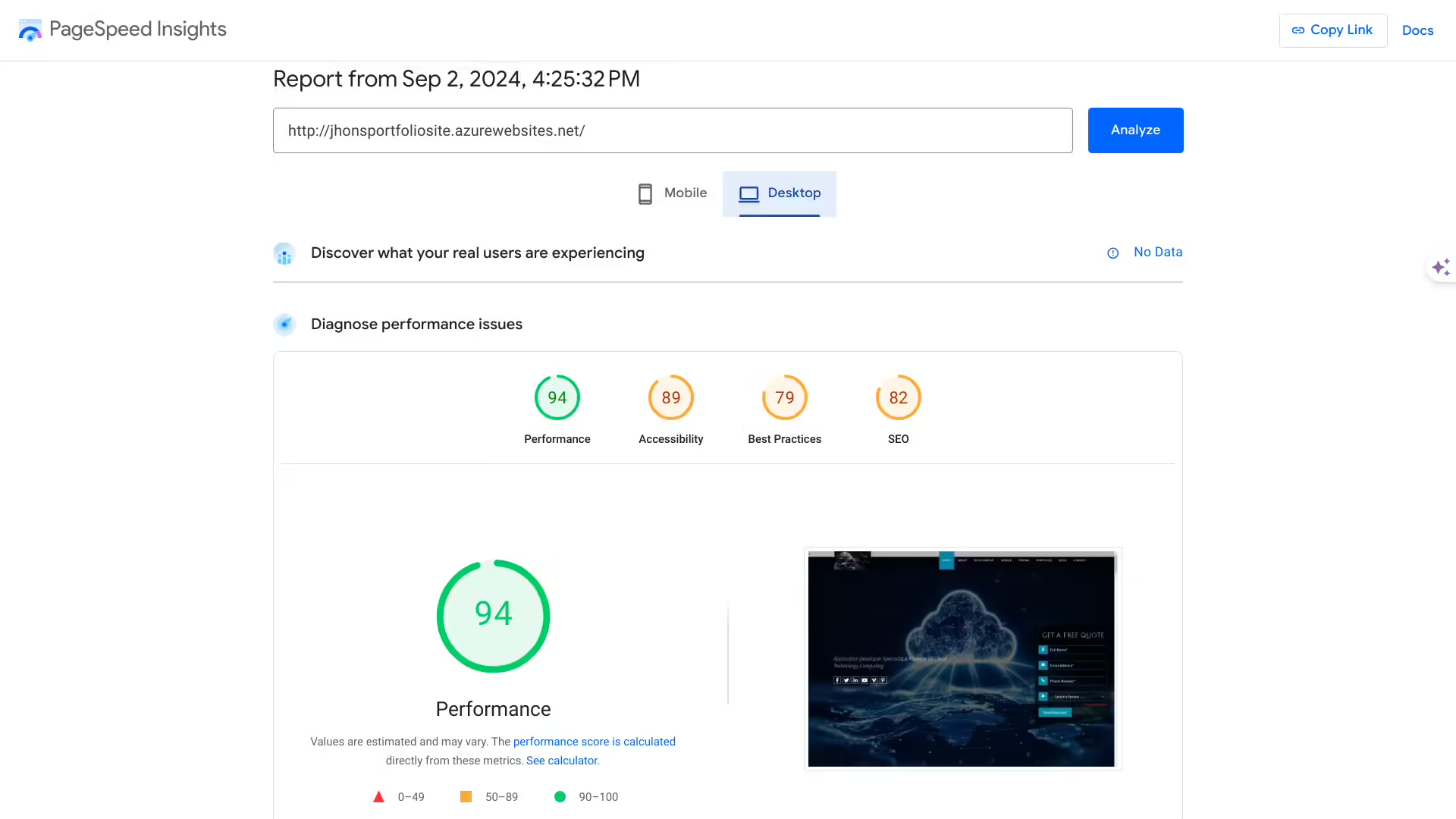
Modernize with Microsoft Azure cloud services for hosting, migration, security, backups, databases, automation, and hybrid cloud planning support today.
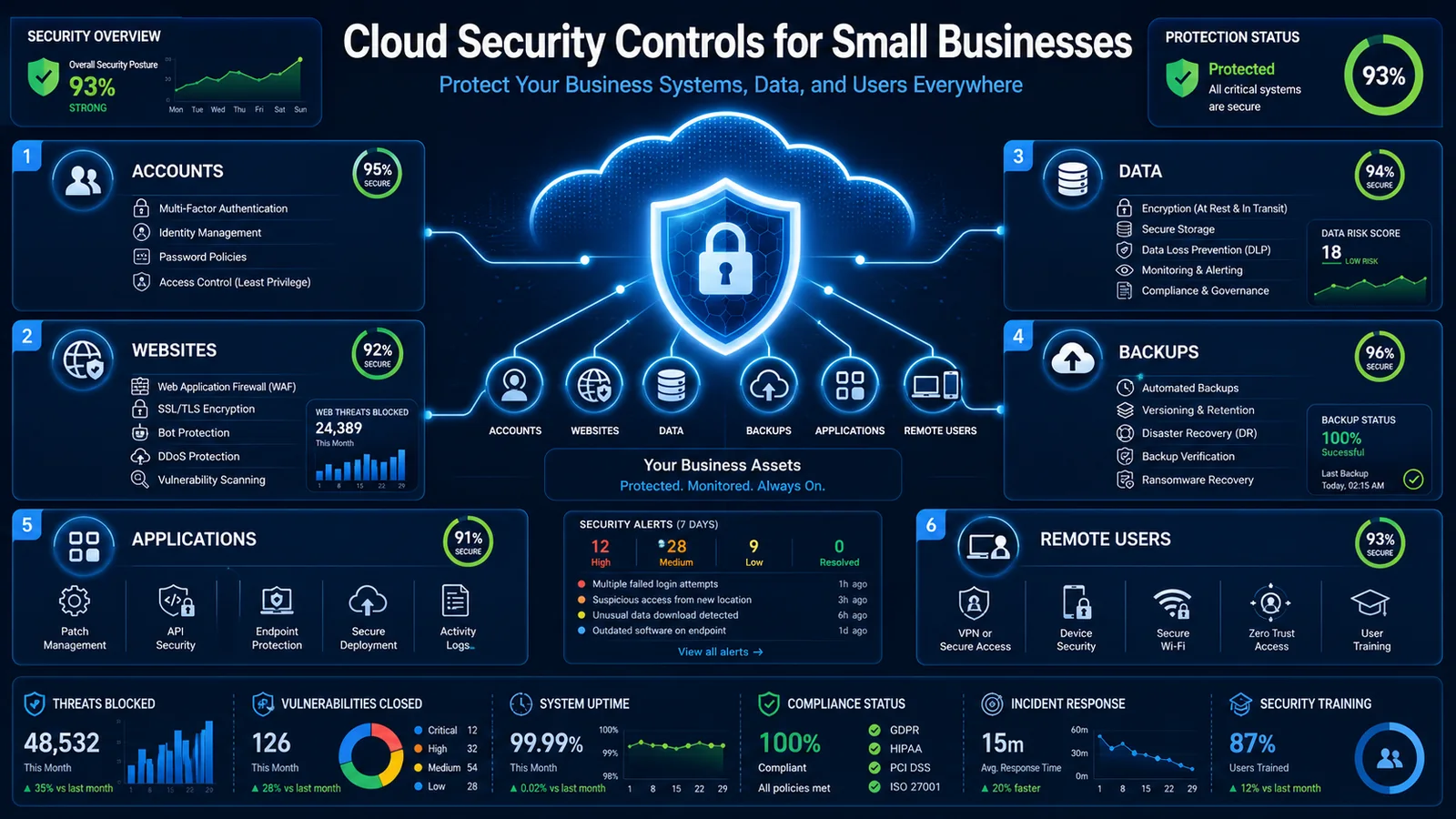
Protect cloud apps, servers, data, and users with cloud security services covering monitoring, access control, backups, compliance basics, and recovery.

Get managed cloud services for hosting, monitoring, updates, backups, cost optimization, security, ongoing technical support, uptime, growth, and peace of mind.